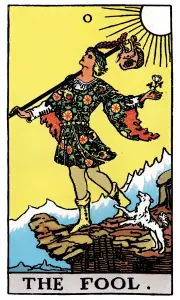
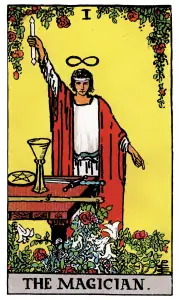
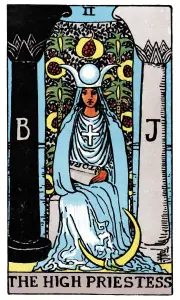
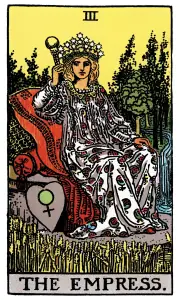
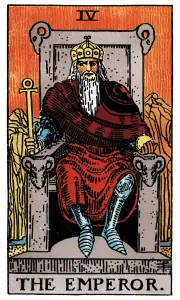
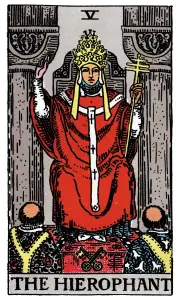
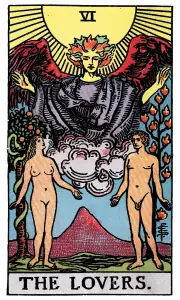
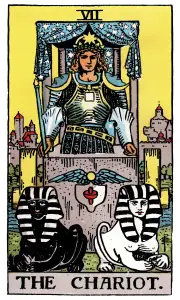
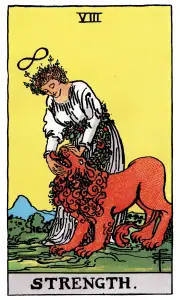
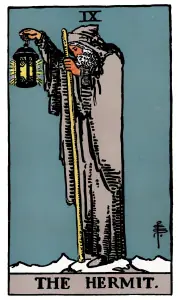
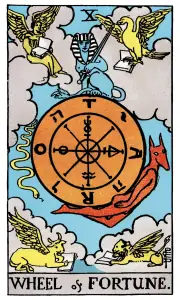
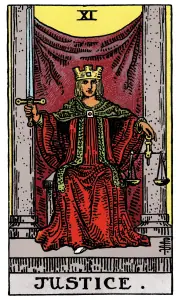
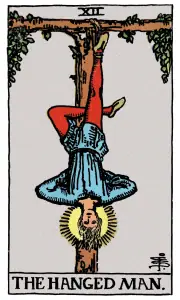
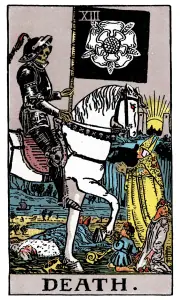
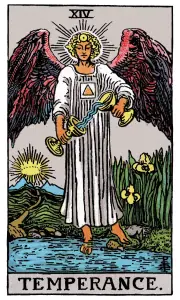
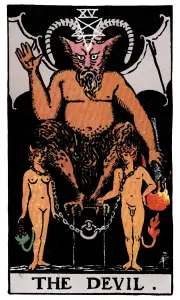
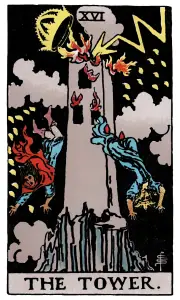
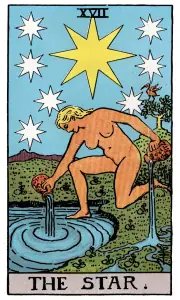
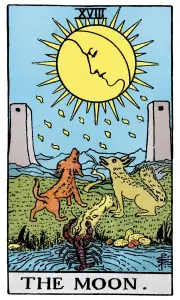
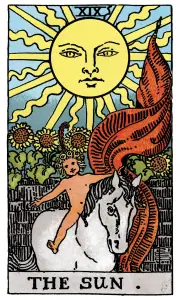
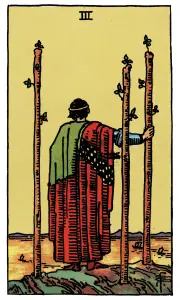
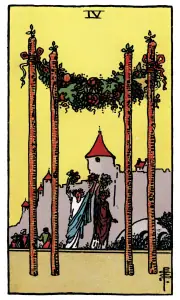
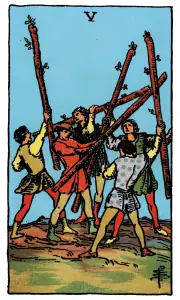
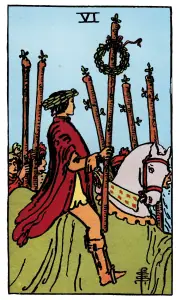
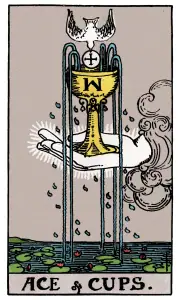
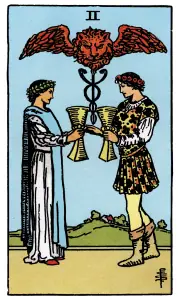
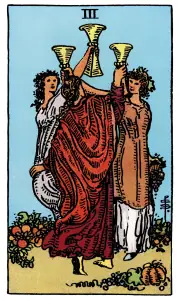
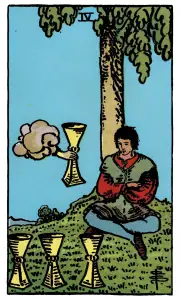
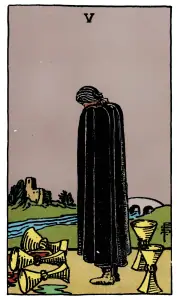
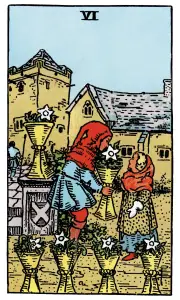
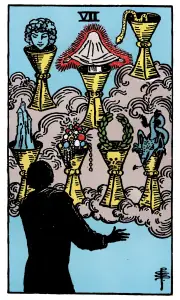
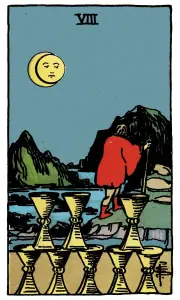
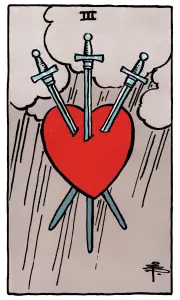
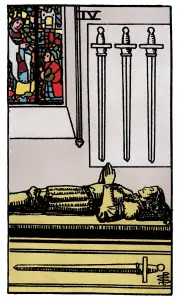
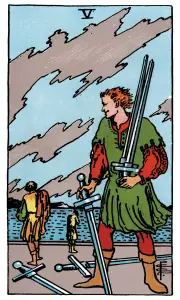
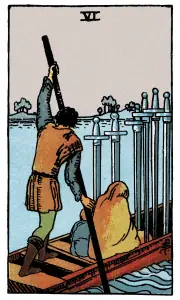
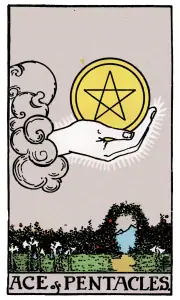
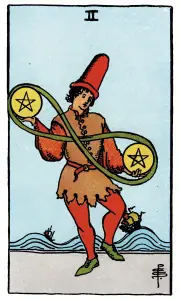
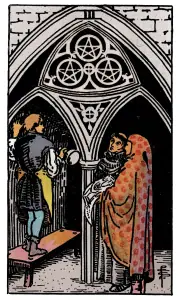
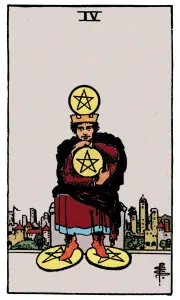
Compare the usual yes, no, or maybe tendency of every upright and reversed card. These are reference tendencies for one neutral question frame—not fixed answers to every question.
Find a card tendency
Search by card name or tendency to compare each card’s upright and reversed meanings.
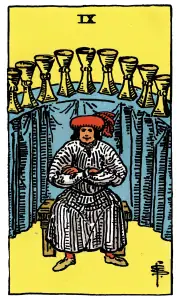
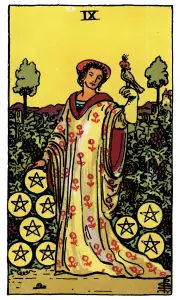
The answer is yes when both parties can name the same choice, accept what it excludes, and carry terms that match the values they claim to share.
Reversed Leans no
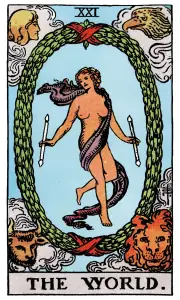
Usually no when attraction masks incompatibility, commitment is unequal, or the decision requires abandoning a stated value without acknowledging the cost.
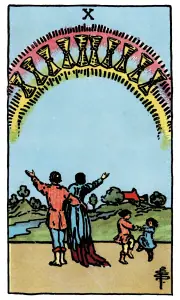
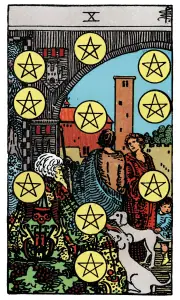
Yes when the milestone is real, the foundation can hold ordinary life after the event, and the people it depends on are included.
Reversed Maybe
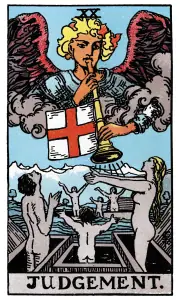
Maybe. The milestone may still be sound but quieter or delayed; where private instability or exclusion is present, that condition needs attention before celebration can carry the whole answer.
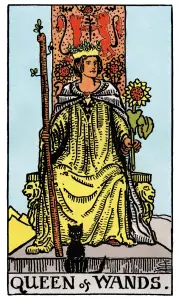
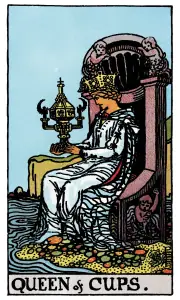
Yes when your confidence can be visible without making anyone else smaller, and the choice still leaves room for other people to participate in their own way.
Reversed Maybe
Maybe after jealousy, approval-seeking, or self-doubt is separated from the actual evidence and requirements of the decision.
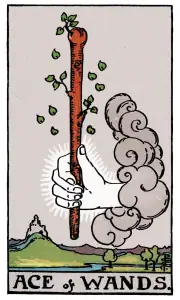
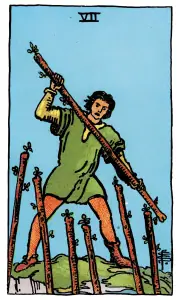
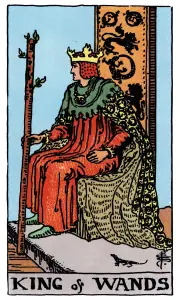
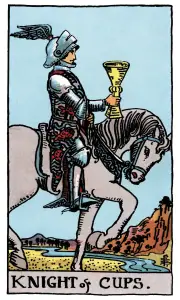
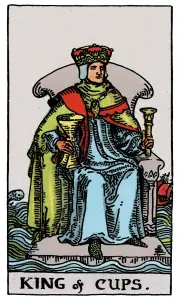
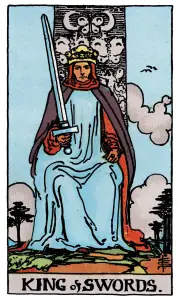
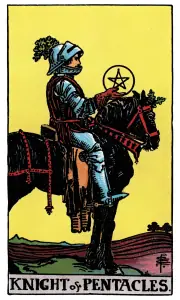
Yes. The purpose is clear, and the person directing it remains responsible for what the pursuit creates.
Reversed Leans no
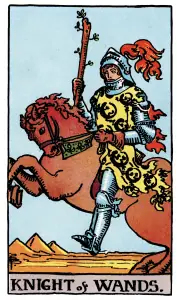
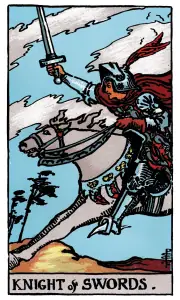
No when the plan relies on pressure, sudden changes, or promises nobody has the means to keep, especially when disagreement is punished instead of heard.
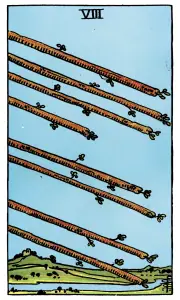
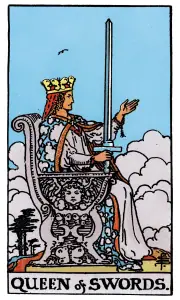
Usually no when success depends on humiliation, hidden advantage, or a conflict method that destroys the relationship needed afterward.
Reversed Maybe
Maybe only after the harm is named and the next disagreement is handled without humiliation or coercion; quiet, regret, or surrender alone does not repair the conditions.
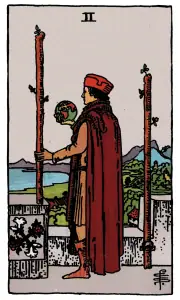
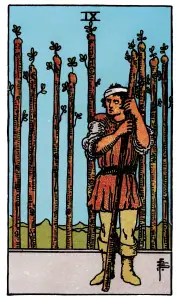
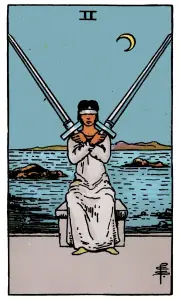
Maybe. Strategy and timing matter because visibility is incomplete; discretion may serve a purpose, but the backward glance keeps exposure in the picture.
Reversed Leans no
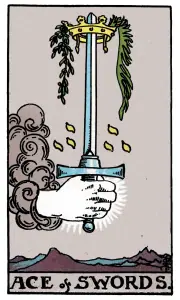
No until the relevant truth is brought into the open and the strategy of avoiding consequence has ended.
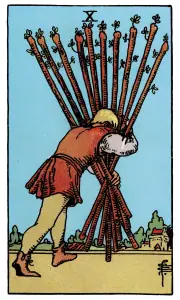
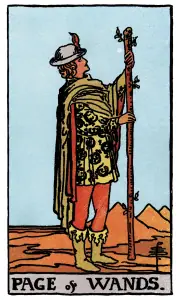
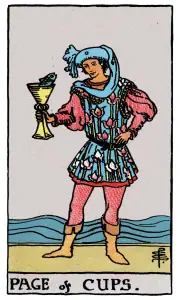
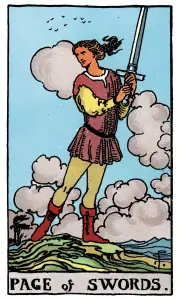
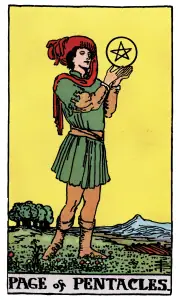
Maybe, after the first signal is checked with a source close enough to know; the Page supports inquiry, not treating early information as a settled answer.
Reversed Leans no
No while rumor, surveillance, poor sourcing, or defensive communication is shaping the conclusion more than reliable evidence.
No cards match those filters. Try a different name or reset a filter.
How ArcaSeer uses yes, no, and maybe
The reference question: every label on this page assumes the same neutral frame: “Do current conditions support moving
forward?” Leans yes means the displayed meaning generally supports that frame; leans no means it generally resists it; maybe means
the evidence is still mixed because of timing, missing information, or an unmet condition, so yes or no would overstate it. A differently worded
real question can produce a different answer from the same card.
Reversed cards: a reversal does not automatically turn yes into no. The Sun still leans yes reversed, because
its good news is delayed or muted rather than gone. The Magician moves from yes to maybe, since scattered effort leaves the outcome
open. The Chariot moves from yes to no, because lost control works against moving forward. Read the reason in the reversed column,
not just the label.
The live reading is separate: the yes or no tarot reading does not
receive these page-level tendencies. It receives the exact question, selected cards, orientations, concise orientation meanings, and
spread positions, then returns yes, no, or maybe for that proposition. Three-card mode reads Support, Opposition, and Key Insight as
one pattern rather than counting card labels.
What the classic sources do—and do not—say: A. E. Waite’s
The Pictorial Key to the Tarot, Part III
and S. L. MacGregor Mathers’s
The Tarot: Meanings of the Cards
provide historical upright and reversed divinatory meanings. Their reading methods interpret cards in context; neither source gives
a table that assigns yes, no, or maybe to every upright and reversed card. ArcaSeer therefore uses those works only as historical
meaning background. The tendencies on this page are an explicit modern editorial reference, not quotations from either author and
not a universal or “classical” answer key. Maybe remains useful when the meaning points to delay, incomplete information, or a deciding
condition, but it is not treated as an ancient permanent property of a card.
See the sources and corrections policy for the complete method boundary.
Cookie preferences
We use essential cookies to keep the site working, and optional analytics to improve your experience. Privacy policy