How many tarot card meaning pages are published?
ArcaSeer publishes a dedicated meaning page for all 78 cards: 22 Major Arcana and 56 Minor Arcana across Wands, Cups, Swords, and Pentacles.
Explore all 22 Major Arcana and 56 Minor Arcana cards with upright and reversed meanings, love, feelings, career, money, yes-or-no tendencies, and symbolism.
The Fool’s Journey
22 archetypal cards for turning points, values, identity, and larger life patterns.
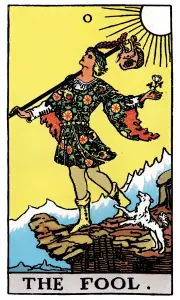
New beginningscuriosityspontaneity
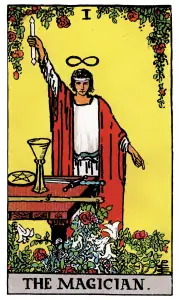
Skillfocusinitiative
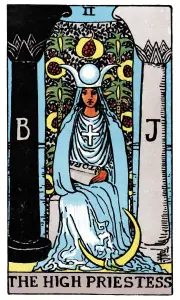
Intuitioninner knowledgepatience
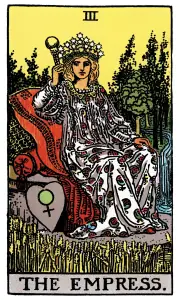
Nurturingabundancecreativity
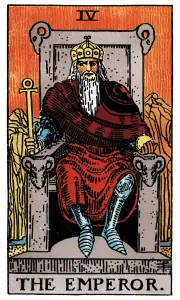
Structureauthorityleadership
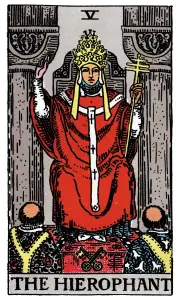
Traditionteachingshared values
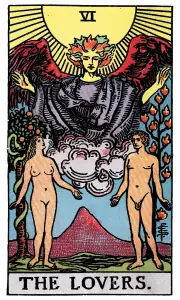
Loveattractionpartnership
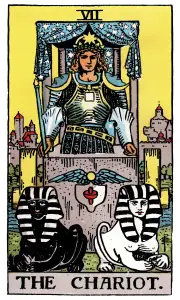
Determinationwillpowercontrol
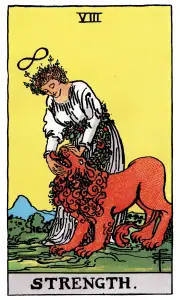
Couragepatiencecompassion
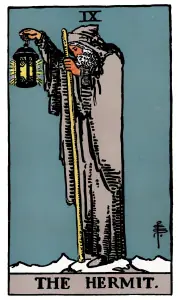
Introspectionsolitudeinner guidance
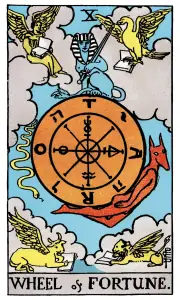
Changecyclesturning point
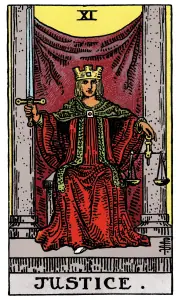
Fairnesstruthaccountability
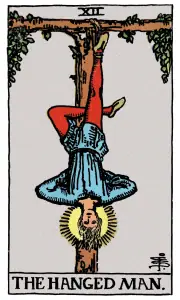
Pausenew perspectiveletting go
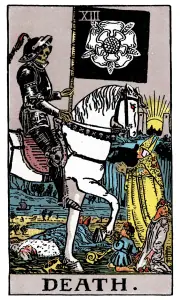
Endingstransformationtransition
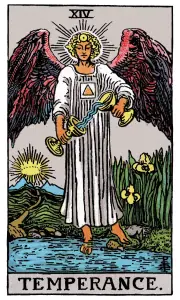
Balancemoderationpatience
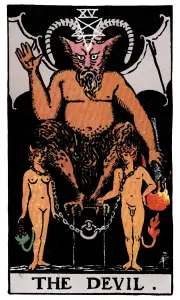
Attachmenttemptationunhealthy patterns
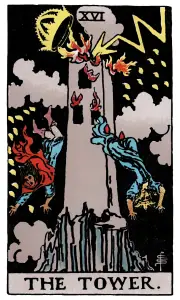
Sudden changeupheavalrevelation
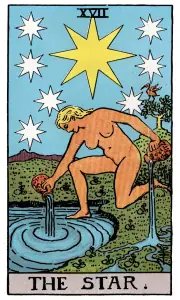
Hopehealingrenewal
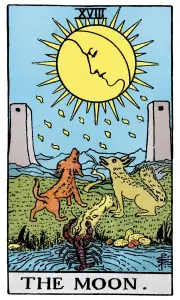
Uncertaintyintuitionillusion
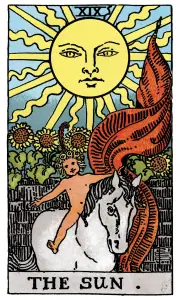
Joysuccessvitality
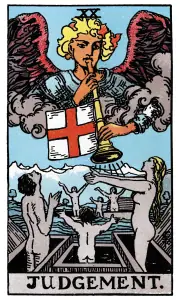
Awakeningreckoninginner calling
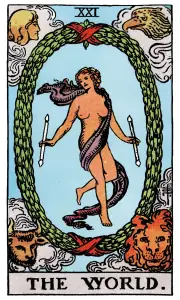
Completionachievementwholeness
Element of Fire
14 cards about initiative, desire, creativity, conflict, and the direction of your energy.
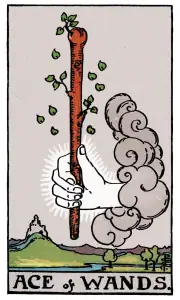
Inspirationnew opportunitycreative spark
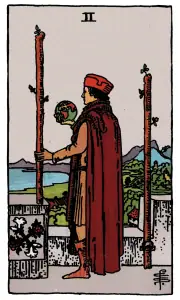
Planningdecisionsfuture vision
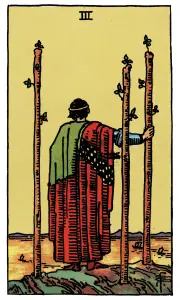
Expansionprogressforesight
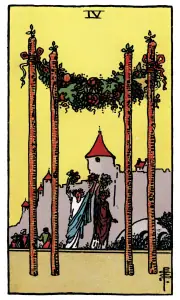
Celebrationhomecomingmilestone
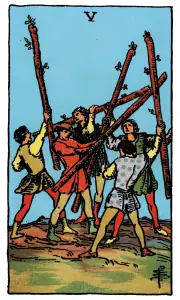
Conflictcompetitiondisagreement
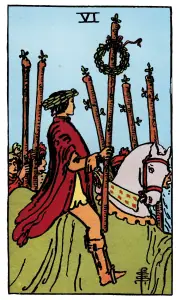
Victoryrecognitionsuccess
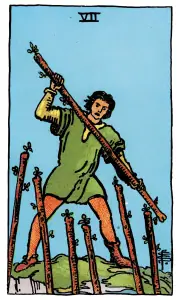
Standing your grounddefenseconviction
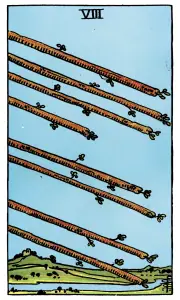
Speedmomentumswift news
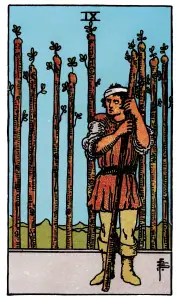
Resiliencepersistenceboundaries
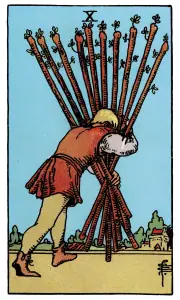
Burdenoverloadresponsibility
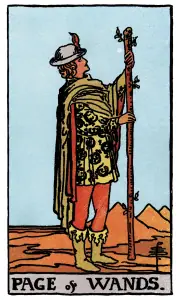
Curiosityenthusiasmexploration
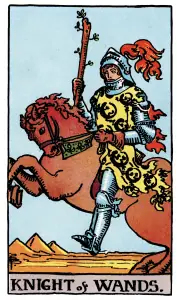
Actionadventurepassion
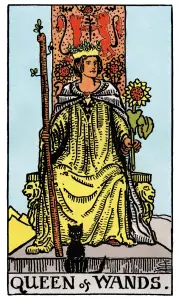
Confidencewarmthindependence
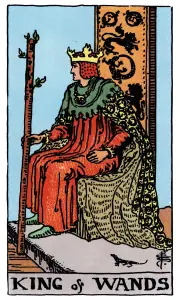
Visionleadershipentrepreneurship
Element of Water
14 cards about emotion, relationship, memory, imagination, and the way feelings are exchanged.
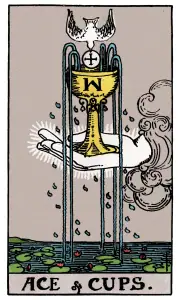
New loveemotional opennesscompassion
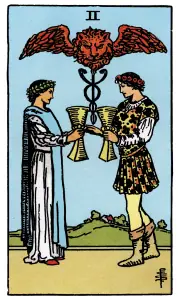
Partnershipmutual attractionconnection
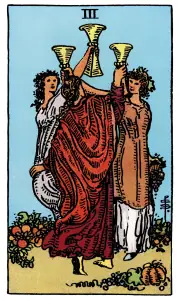
Friendshipcelebrationcommunity
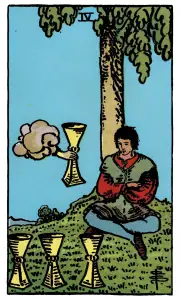
Apathyboredomwithdrawal
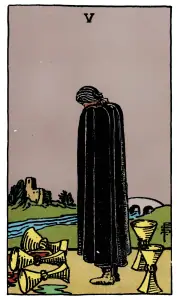
Griefregretloss
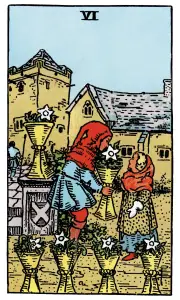
Nostalgiamemorieskindness
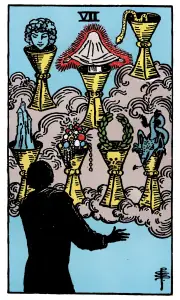
Choicesfantasywishful thinking
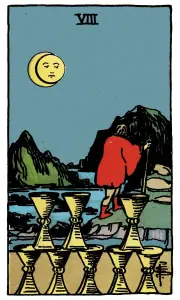
Walking awaydisillusionmentsearching
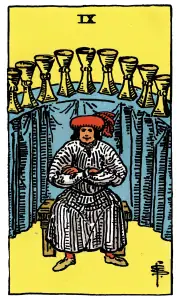
Wish fulfilledcontentmentsatisfaction
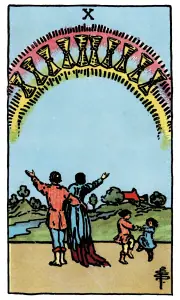
Happinessfamilyharmony
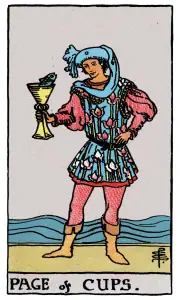
Sweet messagecreativityintuition
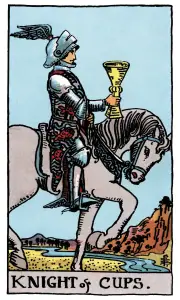
Romancecharminvitation
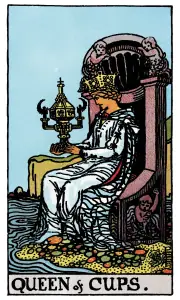
Compassionintuitionemotional maturity
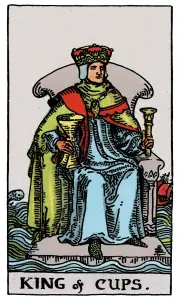
Emotional balancediplomacycompassionate leadership
Element of Air
14 cards about thought, communication, conflict, anxiety, evidence, and difficult decisions.
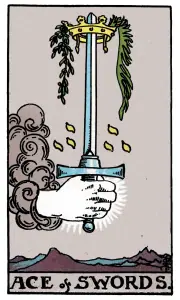
Claritytruthbreakthrough
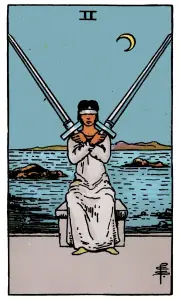
Indecisionstalematedifficult choice
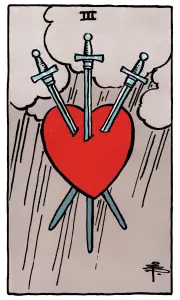
Heartbreakgriefpainful truth
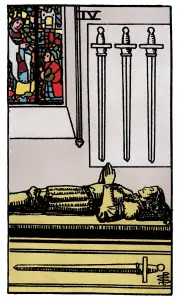
Restrecoverycontemplation
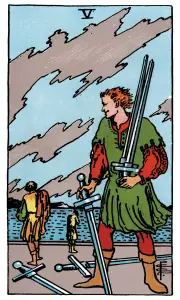
Conflicthollow victoryself-interest
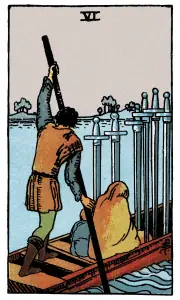
Transitionmoving onrecovery
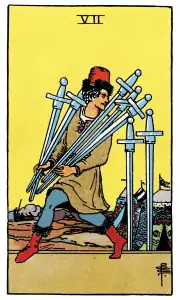
Deceptionstrategysecrecy
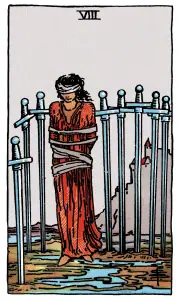
Feeling trappedself-limiting beliefsfear
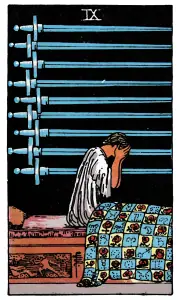
Anxietyworryoverthinking
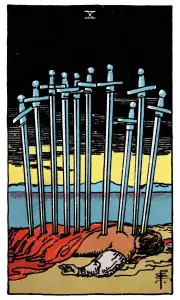
Painful endingrock bottomclosure
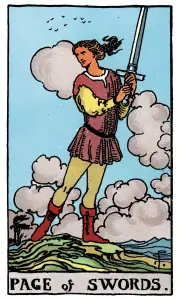
Curiositynew ideasvigilance
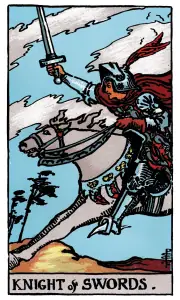
Ambitionfast actionconviction
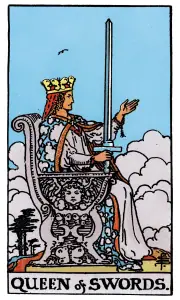
Clarityindependencehonesty
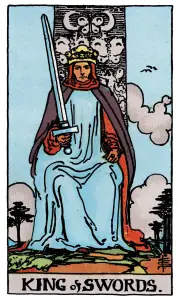
Logicauthoritytruth
Element of Earth
14 cards about work, money, resources, the body, skill, and long-term material stability.
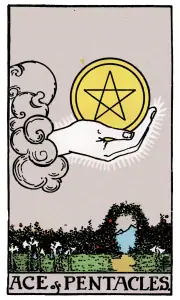
Opportunityprosperitynew venture
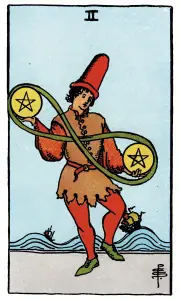
Balanceadaptabilityjuggling priorities
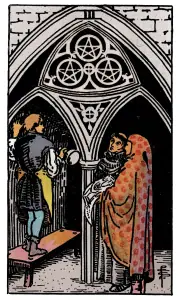
Teamworkcraftsmanshipcollaboration
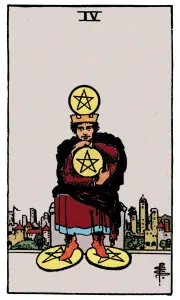
Securitycontrolsaving
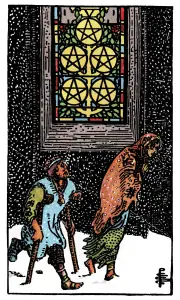
Hardshipfinancial lossisolation
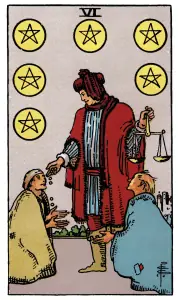
Generositycharitysharing
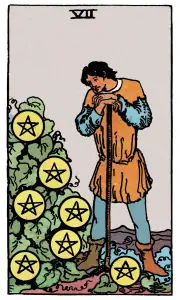
Patiencelong-term effortassessment
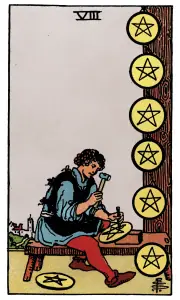
Skill developmenthard workdedication
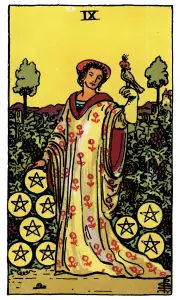
Self-sufficiencyearned luxuryindependence
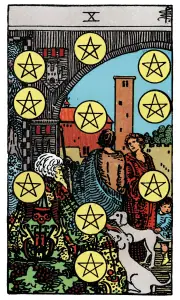
Legacyfamilylong-term security
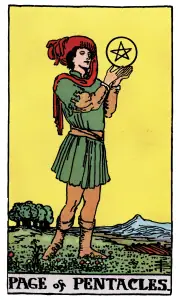
Learningnew skillambition
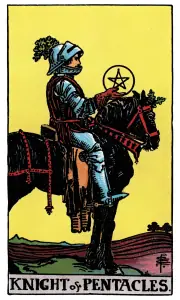
Reliabilityhard workroutine
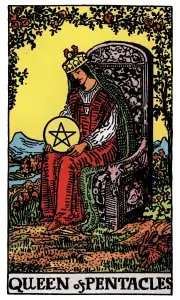
Nurturingpracticalitycomfort
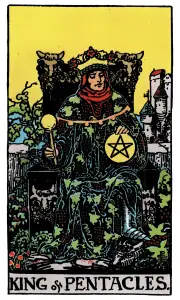
Abundancesecurityleadership
Start with the actual question and the card's position. Read the upright or reversed theme, then compare it with facts you already know. A useful interpretation should produce a clearer question or grounded next step—not a claim that the card has proved what another person thinks or what must happen next.
Read the ArcaSeer interpretation methodThe 78 cards fall into two groups. The 22 Major Arcana, numbered from The Fool (0) to The World (21), describe larger life themes such as turning points, values, and endings. The 56 Minor Arcana describe everyday situations and come in four suits: Wands for energy and action, Cups for feelings and relationships, Swords for thoughts and conflict, and Pentacles for work, money, and the body.
Inside each suit, the numbered cards from Ace to Ten trace a situation from its first opening to its peak or burden, and the four court cards (Page, Knight, Queen, and King) describe ways of handling that suit's energy. Knowing which group a card belongs to tells you a lot before you read a word of its meaning.
Learn the patterns first and the details second. Once you know what each suit covers and what each number tends to mean, a card you have never studied already makes partial sense: the Five of Pentacles is a Five, a disruption, in the material suit, which points toward hardship before you open its page.
Then build experience one card at a time. Draw a single card each morning, look at the image before reading anything, write one sentence about what you notice, and only then compare it with the meaning. A week of this teaches more than reading all 78 pages in one sitting.
A reversed card is usually not the opposite of the upright one. Most readers treat it as the same theme in a different state: blocked, delayed, turned inward, or overdone. Strength reversed, for example, still describes courage, but courage that has run low or is being held together on the surface.
Every card page gives separate upright and reversed meanings, so you can compare the two directly. Some readers leave reversals out and read every card upright. Either approach works if you stay consistent.
Practicing your own interpretation? Draw cards with the Tarot Generator.
ArcaSeer publishes a dedicated meaning page for all 78 cards: 22 Major Arcana and 56 Minor Arcana across Wands, Cups, Swords, and Pentacles.
You don't have to. Many beginners learn the upright meanings first and add reversals once the core themes feel familiar. If you use reversals from day one, learn each card as one theme with two expressions rather than two separate meanings to memorize.
ArcaSeer treats card meanings as reflective frameworks, not proof of a future event. Use the cards to examine a pattern, then make decisions with evidence from your situation.